Fire and smoke damage
Fire and smoke damage in Kyle, Texas
A fire leaves three problems: what burned, what the smoke settled on, and the water used to put it out.
Connects you with an independent restoration contractor.
Smoke travels farther than flame
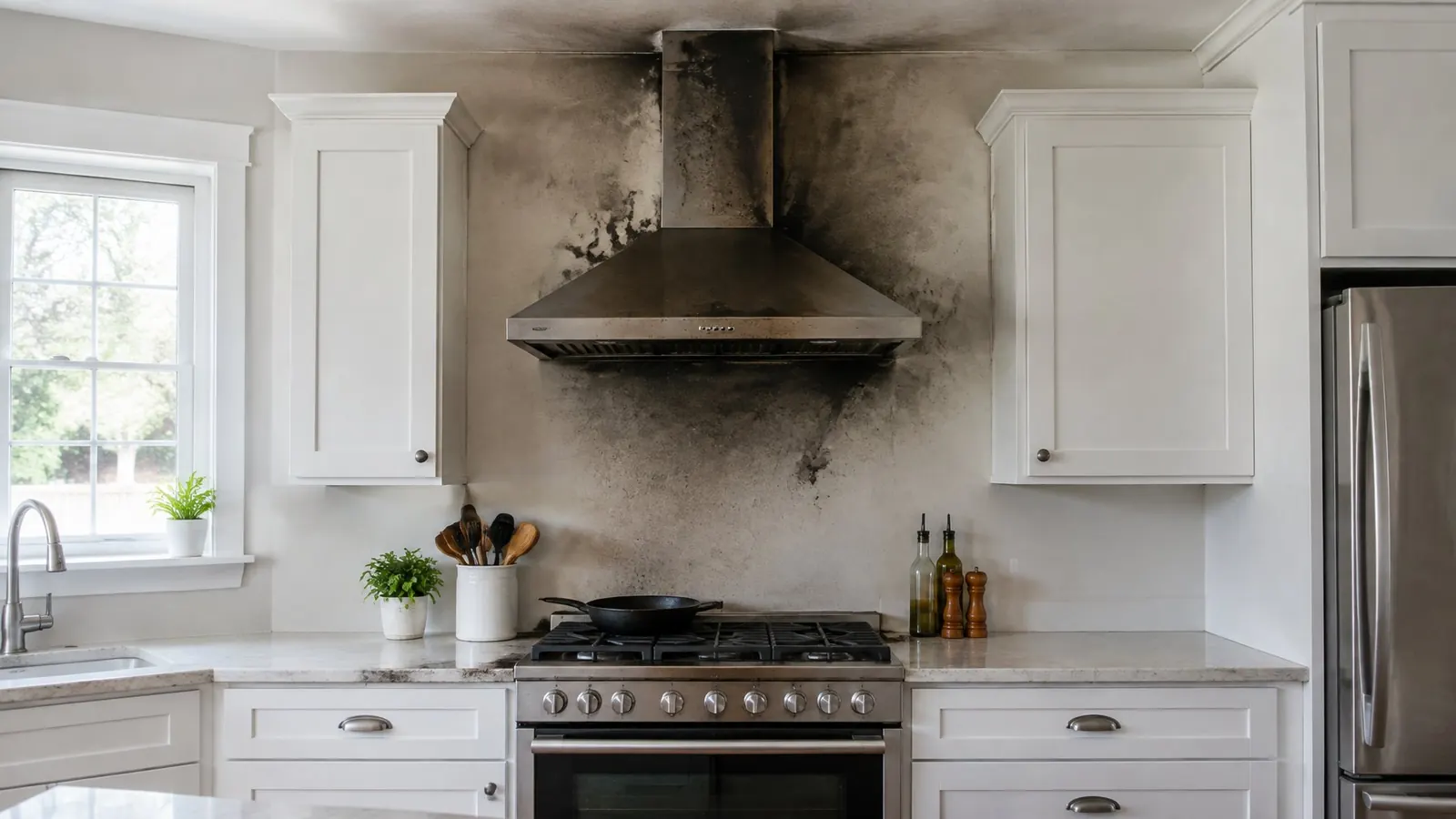
Even a contained kitchen fire spreads soot across walls, ceilings and the inside of cabinets. Smoke odor can sit in fabric, ducts and insulation long after the surfaces are wiped.
Cleaning methods depend on the soot. Some residue wipes off. Some smears and sets if rubbed the wrong way, so avoid scrubbing before a contractor looks.
Water after the fire
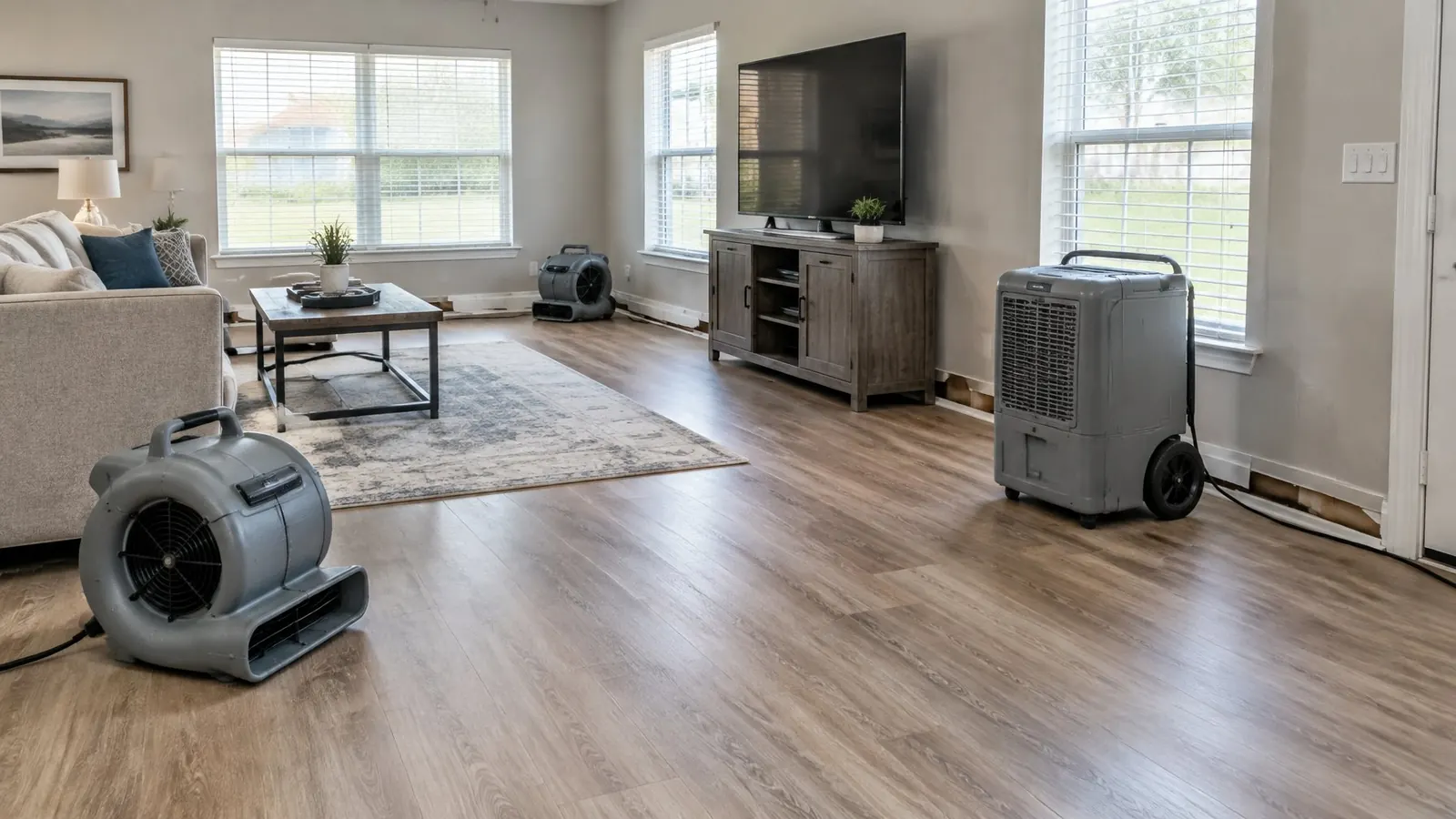
Firefighting leaves wet drywall, soaked floors and standing water. That part of the job is water damage and follows the same drying steps.
Before you go back in
Wait until the fire department says the building is safe to enter. Photograph the damage before anything is moved.
Signs the damage reaches past the burn
The area that burned is not the full extent of the loss. Smoke and heat move through rooms and through the air handling system.
- A smoky smell in rooms far from the fire.
- Gray film on windows, light fixtures and the tops of cabinets.
- Plastic items that look warped or sticky from heat.
- Wet drywall and insulation in rooms the fire never reached, from hose water or a sprinkler.
- Ductwork and the air handler that carry smell to every room when the system runs.
What to do while you wait
Leave a burned house to the professionals as soon as the fire department allows it. Do not run the heating and cooling system, because it can spread soot.
- Photograph every room before anything is touched, then video a walk-through.
- Do not eat food or use items that were exposed to heat or smoke without checking them.
- Tell your insurer, and ask about living expenses if you cannot stay in the house.
- Keep receipts for emergency purchases, lodging and temporary repairs.
- Secure doors and windows. A damaged building may need to be boarded.
What a contractor usually does
The water goes first, because wet soot is harder to remove. Standing water is extracted and wet materials are dried. Then loose soot is removed with specialized vacuums and sponges, and surfaces are cleaned in a sequence that depends on the type of residue.
Odor treatment follows the cleaning. It may mean air scrubbers, sealing, or replacing insulation and soft materials that hold smoke. Ask which method is planned for which room.
Claims
Fire is a covered cause under most homeowners policies, but your policy sets the terms. Report the loss to your insurer as soon as you can. The Texas Department of Insurance says to take photos before repairs and keep damaged items until the adjuster has seen them.
Many policies pay for living expenses while a home cannot be used, within the limits of the policy. The state's storm and disaster page lists additional living expenses among the covered items for some losses, so ask your insurer how that applies.
After the cleanup
Rebuilding may need a city permit. In Kyle, Building Services handles permits and inspections, so ask who is applying before work starts.
Keep the cleaning scope, the contents list and the final inspection record. They support the claim and show later what was done.
Common questions
Who tells me when it is safe to go back in?
The fire department. Wait for it to say the building is safe to enter before you go back, and photograph the damage before you move anything.
Will the smoke smell fade on its own?
Not reliably. Smoke settles into fabric, ducts and insulation. A contractor may use air scrubbers, sealing or replacement, depending on the room.
Does the water count as part of the fire loss?
The water used to put out a fire is part of the damage. Ask your insurer how it is handled in your policy, and tell the contractor where hose water ran.
Water is still moving. Call now.
One call connects you with an independent restoration contractor who serves the Kyle area. Then you decide what happens next.