Sewage backup
Sewage backup in Kyle, Texas
When a drain line backs up into a house, the water on the floor is contaminated. It needs different handling from a clean supply-line leak.
Connects you with an independent restoration contractor.
First steps
Stop using sinks, tubs and toilets. Every flush or drain sends more water into a blocked line. Keep children and pets out of the affected rooms.
If your home is on Kyle city sewer service, the city lists sewer backups among its urgent calls and gives a separate wastewater after-hours line. Numbers are on the utilities page. If another provider serves your address, the city's jurisdiction finder shows which one.
Where the blockage is matters. A clog in the line inside your property is the owner's to clear. A blockage in the street main is the utility's. A plumber or the utility can tell you which you have.
What gets removed
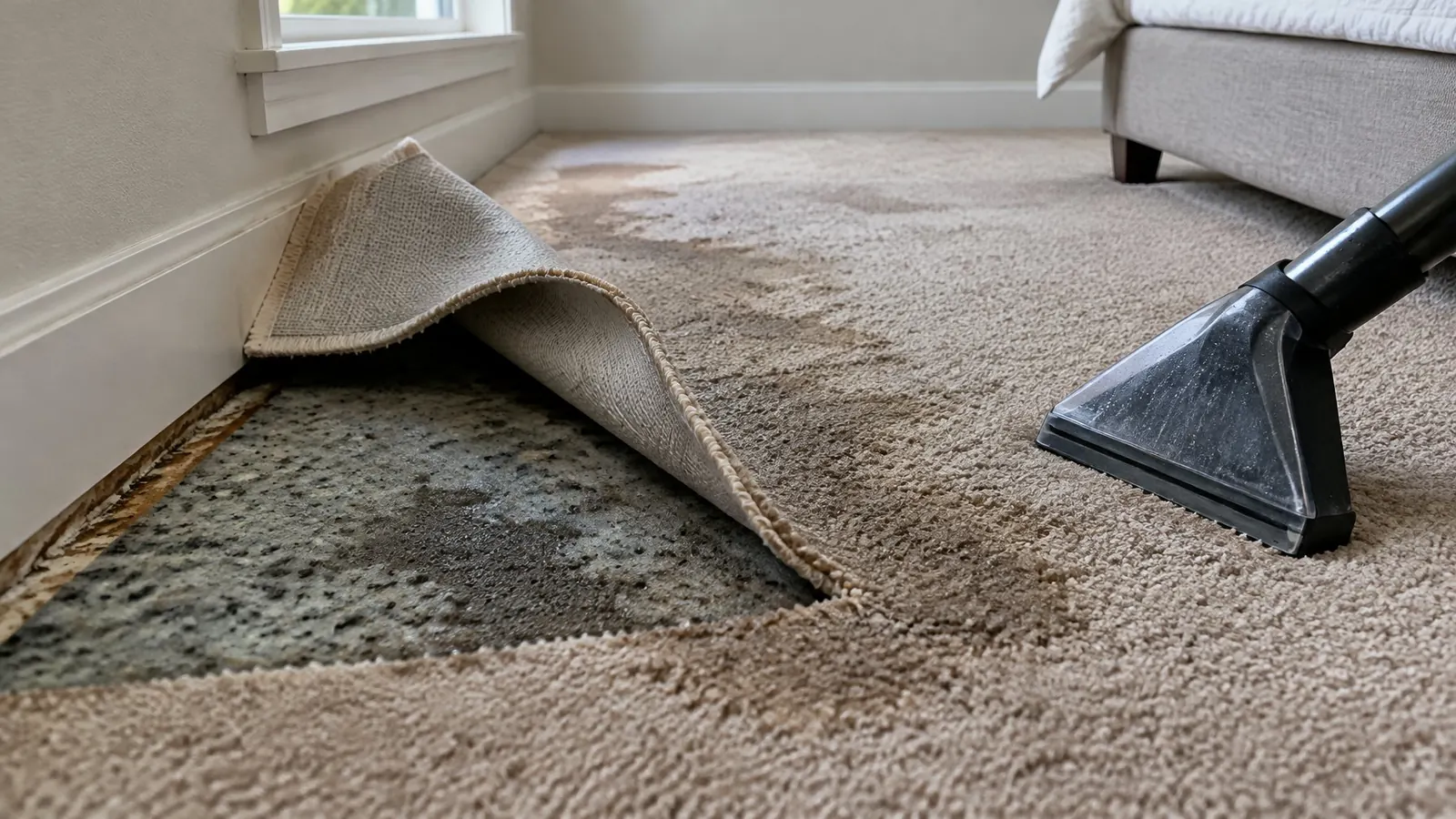
Porous materials that soaked up sewage, such as carpet, pad and drywall, are usually discarded. Hard surfaces can be cleaned and disinfected. The contractor decides case by case.
Signs of a backup
The first sign is often at the drain nearest the floor, usually a floor drain, a shower or a tub.
- Gurgling from a drain when another fixture runs.
- Water coming up in a shower when the washer drains.
- Several drains slow at once, not just one sink.
- A sewer smell in a bathroom or laundry area.
- Wet floor around a floor drain or the base of a toilet.
If more than one fixture is affected, the blockage is probably in the main line, not in a single branch.
What to do while you wait
Do not wade through it barefoot or handle wet materials without gloves. Do not run a household vacuum on it. The EPA tells homeowners to call a professional experienced with sewage and other contaminated water.
Photograph the water and the rooms. Open windows if the weather allows. Keep a list of the fixtures you stopped using and when.
Call the city or your own provider if the cause may be the street main. Call a plumber if the blockage is on your side. The restoration contractor deals with the water already in the house.
What a contractor usually does
The water is extracted, and any porous material it touched is removed and bagged. Floors and lower walls are cleaned and treated with a disinfectant, then dried.
Because sewage carries contamination, contractors use protective equipment and may seal the affected area from the rest of the house during the work. Ask what protection is planned for the rest of the household.
Insurance
The Texas Department of Insurance lists backup of sewers or drains as a common endorsement, an add-on to a home policy. If you do not have it, ordinary coverage may not apply. Check your policy before you call, and tell the insurer what happened.
The cause also matters for who pays. A blockage in a city main may involve a claim to the utility. A blockage on your side is generally the owner's problem.
After the cleanup
Ask the plumber to look at the cause. Roots, grease and failed pipe sections can recur. Keep any written report.
Ask the contractor what was removed and what was treated, and keep that scope with your photos.
Common questions
Who clears the blockage?
A clog in the line on your property is the owner's to clear. A blockage in the street main belongs to the utility. A plumber or the utility can tell you which one you have.
Who do I call at the city?
The City of Kyle lists sewer backups among its urgent calls and gives a wastewater after-hours number on its water and wastewater page. Use it only for urgent problems, as the city asks.
Can I flush while I wait?
No. Each flush or drain adds water to a line that cannot take it. Stop using sinks, tubs and toilets until the line is cleared.
Water is still moving. Call now.
One call connects you with an independent restoration contractor who serves the Kyle area. Then you decide what happens next.