Water damage restoration
Water damage restoration in Kyle, Texas
Restoration is the whole sequence after a leak or flood: remove the water, dry the structure, clean what is salvageable and rebuild what is not.
Connects you with an independent restoration contractor.
The sequence, start to finish
The order matters because each stage depends on the one before it. Drying equipment placed while water still runs in from a broken line only fights a losing battle. Rebuilding before drying is finished seals moisture behind new drywall.
A contractor reached through this line will usually inspect first, take moisture readings, and explain which materials can be dried in place and which must come out.
Stage one: stop and assess
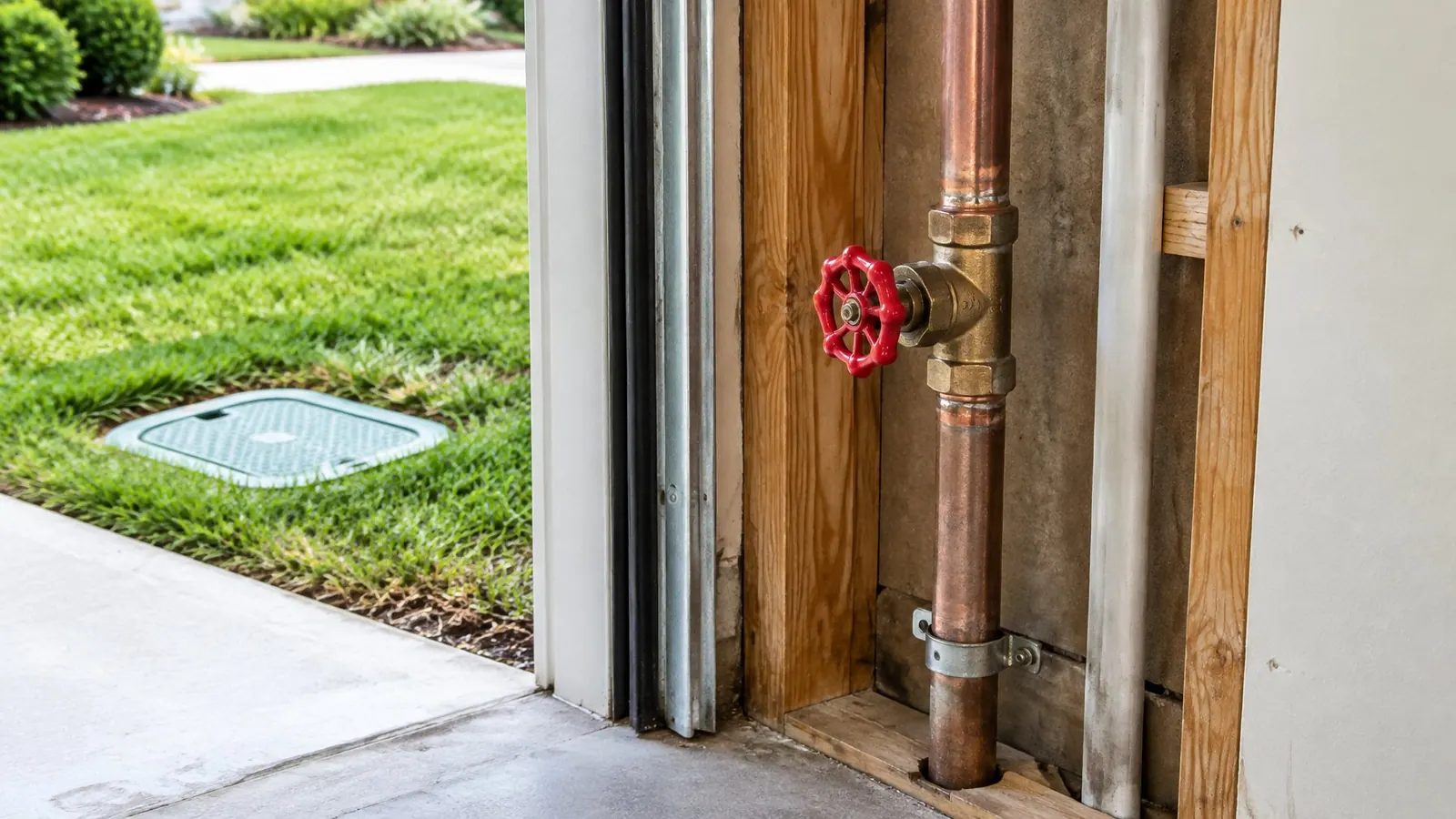
Close the shut-off valve. Cut power to wet areas if you can do it from a dry spot. Walk the house and note every wet room.
Stage two: extraction
Standing water is pumped or vacuumed off the floor. Wet carpet pad is often removed, since it holds water long after the surface looks dry.
Stage three: drying
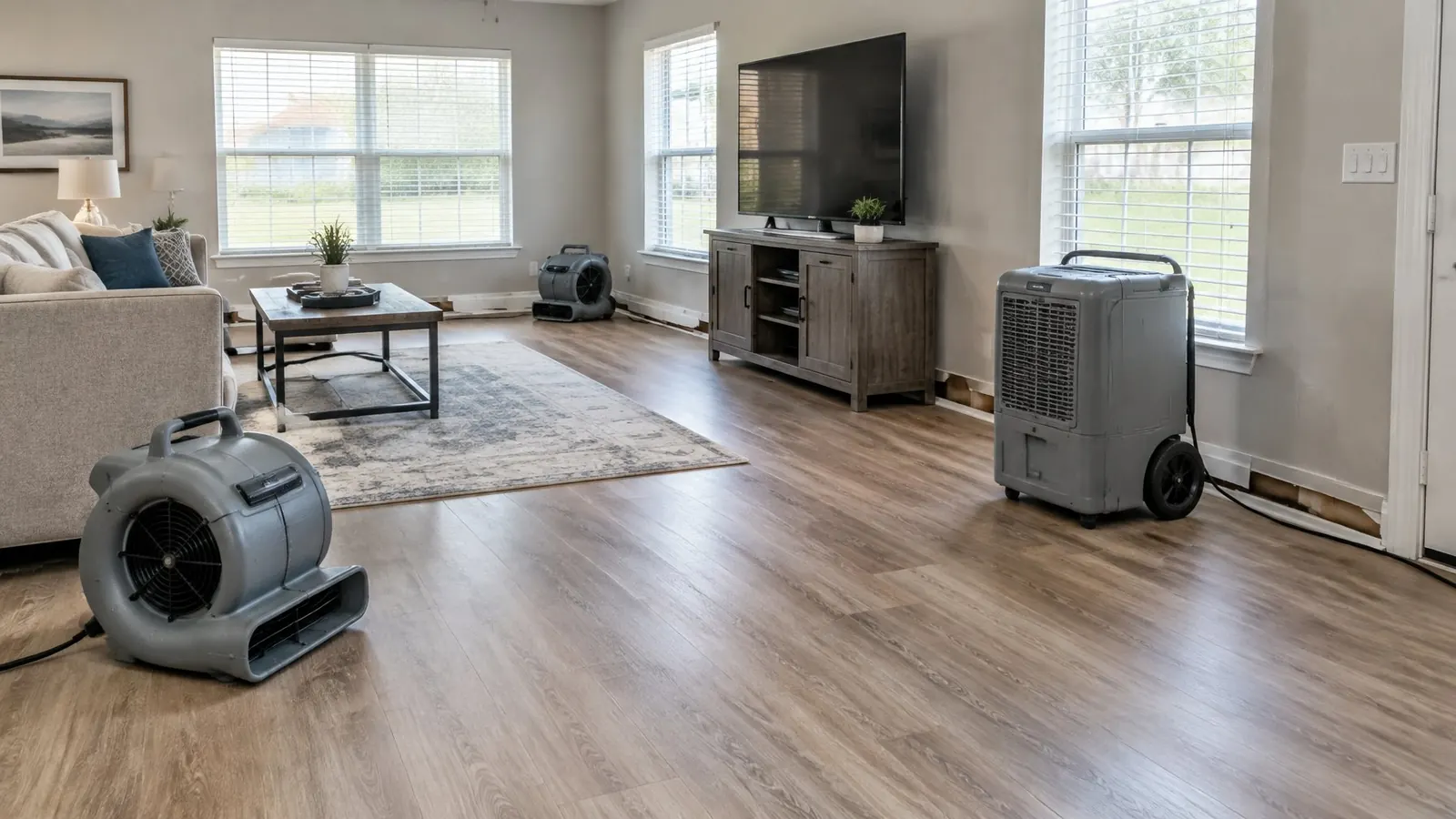
Air movers push dry air across surfaces. Dehumidifiers pull moisture out of the room's air. Readings are repeated until the materials reach their normal dry level.
Stage four: repair
Drywall, trim, flooring and paint come last. Some of this work may need a city permit in Kyle, so ask the contractor who pulls it.
Signs the damage is bigger than it looks
The visible wet patch is usually the smallest part of the loss. Look for the signs that water has traveled.
- Baseboards that swell, pull away from the wall or show a dark line at the bottom edge.
- Paint that bubbles or peels, especially low on a wall or on a ceiling.
- A floor that feels soft, rings hollow or has planks lifting at the seams.
- A musty smell in a room that looks dry, which can mean damp material behind a surface.
- A water bill that rises with no change in how the household uses water.
Any one of these is a reason to take readings. A moisture meter finds wet drywall that looks normal, and a thermal camera can show cooler damp patches behind a surface, though the meter confirms them.
What to do while you wait
The hours before anyone arrives are when homeowners can shrink the loss most. Work from the cause outward.
- Close the water at the nearest valve, then the main if needed.
- Turn off power to wet rooms from a dry spot. Stay out of standing water near outlets.
- Photograph and film everything before it moves.
- Lift furniture off wet floors and put foil or plastic under the legs.
- Open interior doors and run the air conditioner on a dry setting if the system itself is dry. Skip the ceiling fan under a wet ceiling.
- Keep damaged items you can store until the adjuster has seen them.
What a contractor usually does on the first day
Expect a walk-through, then readings in each wet room, then a plan. The contractor should explain what will be extracted, what equipment goes where and what will be removed.
Equipment usually stays for several days and is checked on return visits. Ask for the readings in writing. They show when materials reached normal moisture and support the claim.
Cleaning follows drying. Contents such as rugs, clothing and books may be cleaned on site or taken out. Ask what gets moved and who is responsible while it is out of the house.
Insurance sits alongside the work
A restoration job and an insurance claim run in parallel and are separate things. Your insurer decides what the policy covers. The contractor documents the loss and does the work.
The Texas Department of Insurance says a company must confirm it received a claim within 15 days and decide within 15 business days after it has everything it needs. See the Texas insurance guide for the details and the limits of that rule.
Sudden and accidental damage is the covered type for most Texas home policies. Gradual leaks, flood and sewer backup depend on the policy and its endorsements.
This site cannot tell you whether a loss is covered. Only your policy and your insurer can.
After the repair
Keep the final moisture readings, the scope of work, photos from before and after, and receipts. They are the record of what happened if the same wall or floor shows a problem later.
Watch the repaired area over the next few weeks. A stain that returns, a musty smell or paint that bubbles again points to moisture that is still moving. Tell the contractor and your insurer promptly.
Permanent repairs, such as new flooring or cabinets, come after drying is complete and after your insurer has had the chance to see the damage.
Common questions
Can I clean up before the contractor arrives?
Stop the source, lift small items off wet surfaces and photograph everything. The Texas Department of Insurance says to record damage before repairs and to keep damaged items until the adjuster has seen them, so hold off on throwing things away.
Does everything that got wet have to go?
No. Many materials dry in place. The contractor decides from readings, not from looks. Carpet pad is often discarded, and the EPA notes that porous materials such as carpet may have to be thrown away once they turn moldy.
Who decides when drying is finished?
The readings do. Ask the contractor which number they treat as dry for each material and for the final readings in writing.
Water is still moving. Call now.
One call connects you with an independent restoration contractor who serves the Kyle area. Then you decide what happens next.