Guide
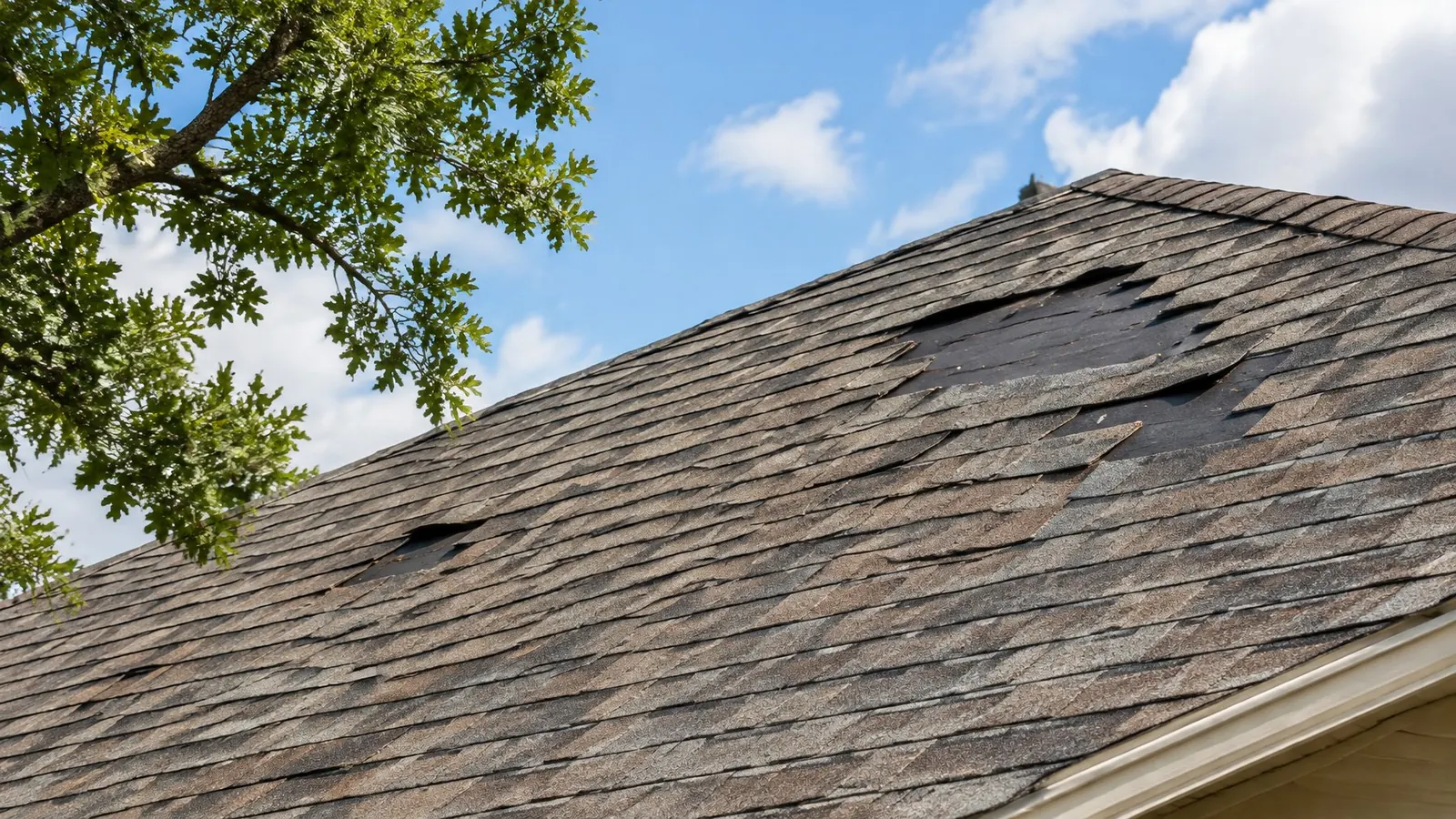
Hail, wind and roof leaks in Kyle, Texas
A roof leak is two problems: the roof, and the water that came through it. Insurance treats them together, and the state describes how.
Connects you with an independent restoration contractor.
What the state says a storm claim can include
The Texas Department of Insurance lists several kinds of loss that a homeowners policy may cover after a storm. They include roof damage from a tree that hit the house, water damage from rain that entered because the roof was damaged in the storm, wind damage to fences, damage to structures that are not attached to the house, spoiled food after a storm-caused power outage and additional living expenses such as a hotel and meals.
The page also notes that, depending on the damage and where you live, you may need to file more than one claim. It tells homeowners with a Texas Windstorm Insurance Association policy to report those claims separately.
- Roof damage from the storm itself.
- Water that came in because the storm opened the roof.
- Fences and detached structures.
- Food spoiled in an outage caused by the storm.
- Living expenses when the house cannot be used.
What to document
Photograph the roof from the ground, shingles on the lawn and every stain inside. Write the date you first noticed each sign. TDI says hidden damage generally has to be reported within days of when you first see it, and that policies can have a one-year deadline to file.
Do not climb a wet or damaged roof. A roofer can inspect it. Ask for a written description of what was found, with photographs.
- Date and time of the storm, with the weather service alert if you saved one.
- Photos of each damaged area, wide and close.
- Receipts for tarps and temporary repairs.
- A list of damaged contents.
Temporary and permanent repairs
TDI says temporary repairs are generally fine and permanent repairs should wait until you have talked to the insurer. A tarp, a board over a window or plastic sheeting counts as temporary. A new roof is permanent.
Keep receipts for the temporary work. Keep damaged items until the adjuster has seen them, in case the insurer wants to inspect.
The water inside
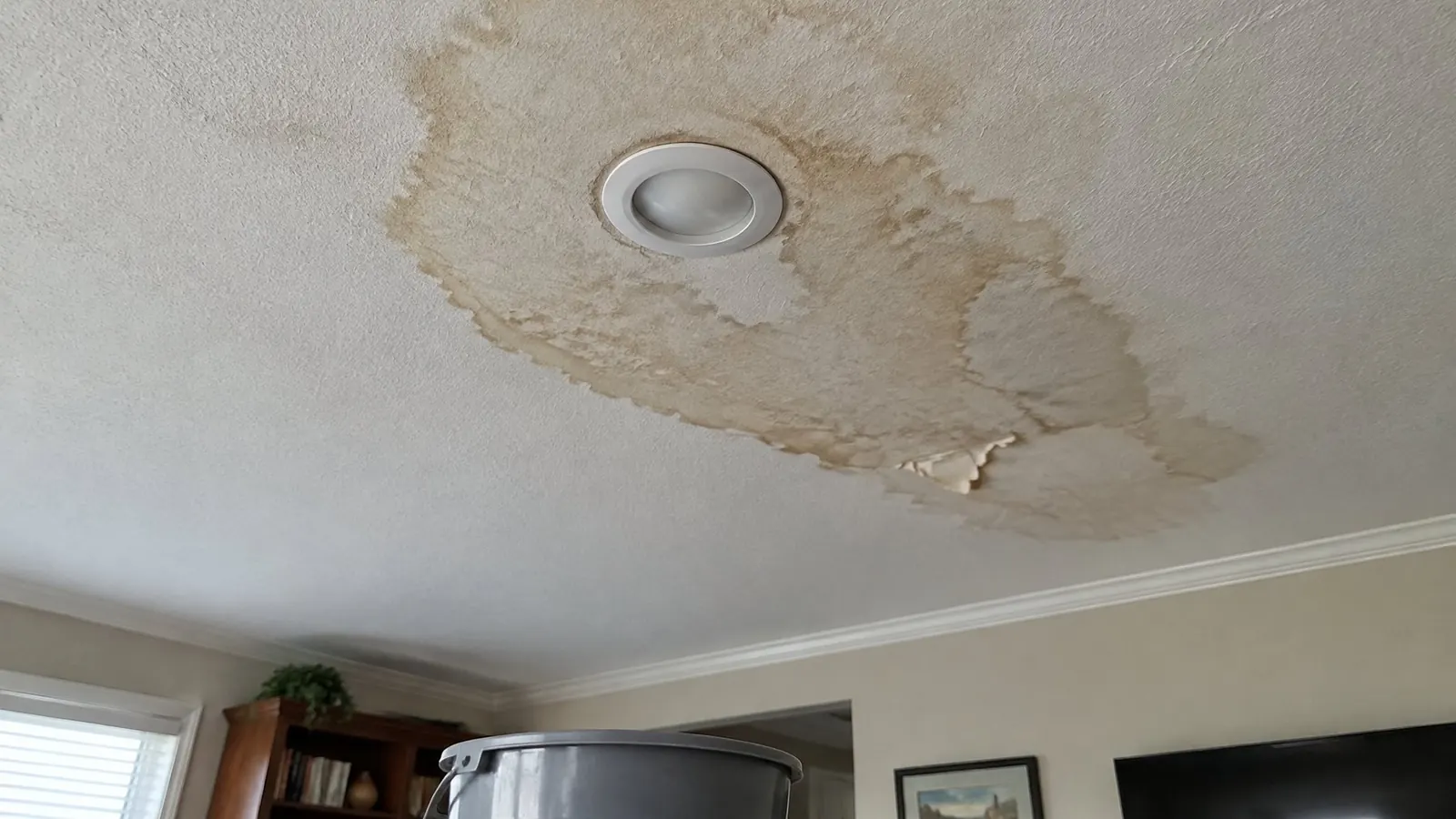
Water that enters through a damaged roof soaks insulation first, then the ceiling, then the walls below. The ceiling may look fine for days while the attic insulation holds water.
The EPA links roof leaks and insufficient insulation to hidden mold in roof materials above ceiling tiles, and advises fixing water problems as soon as possible. A restoration contractor opens the ceiling, removes wet insulation and dries the space.
Roof work is a separate trade
This line connects water damage calls. It does not connect roofing calls. Ask the contractor you reach how the ceiling will be protected while the roofer works.
TDI warns against contractors who go door to door after storms, ask for large deposits or sign blank contracts. Its guide to contractor scams lists the warning signs.
Water is still moving. Call now.
One call connects you with an independent restoration contractor who serves the Kyle area. Then you decide what happens next.