Air conditioner water
Attic AC drain pan and condensate leaks in Kyle, Texas
A cooling system removes water from the air as it works. When the path out is blocked, that water goes into the ceiling.
Connects you with an independent restoration contractor.
Where the water comes from
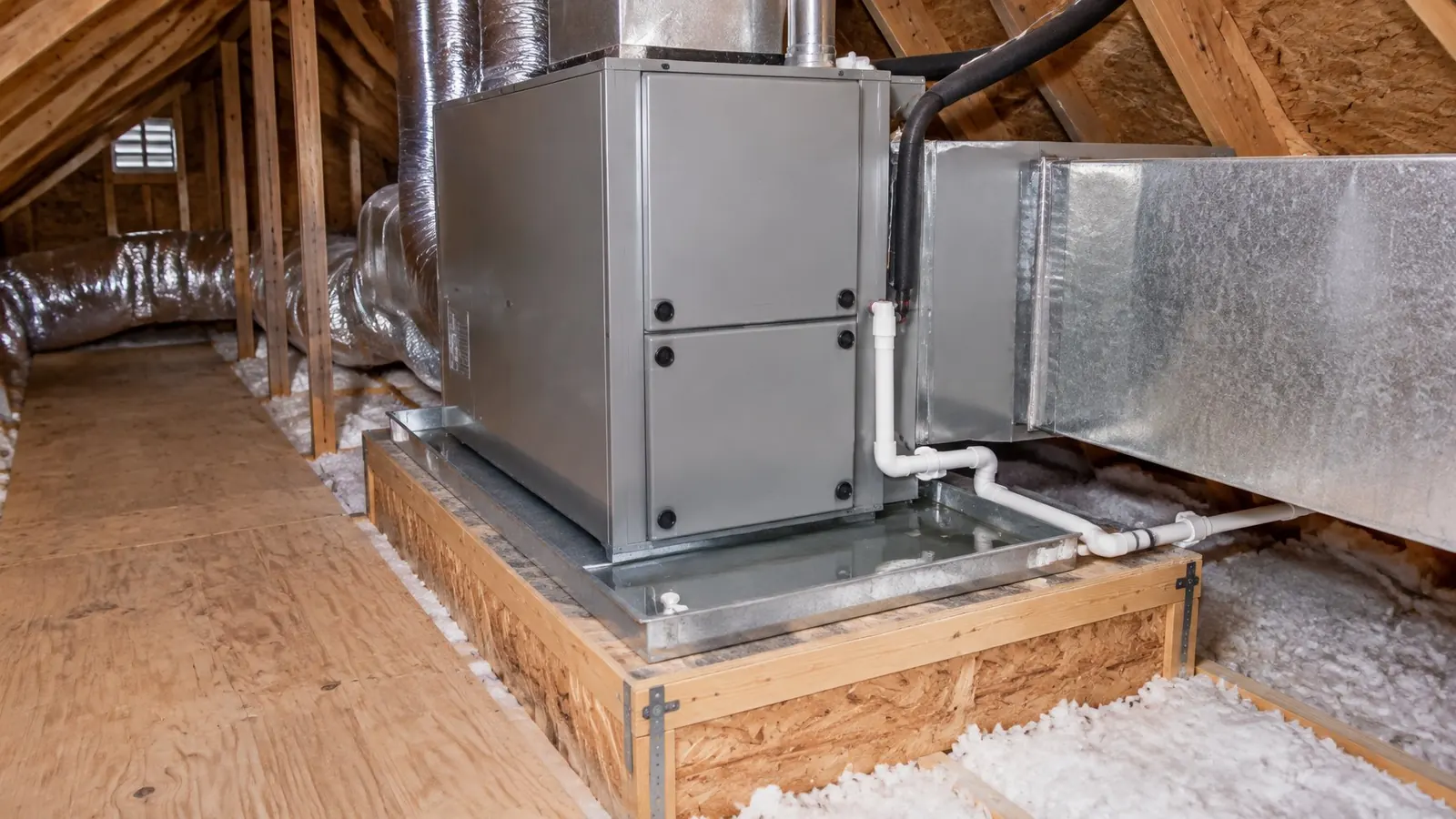
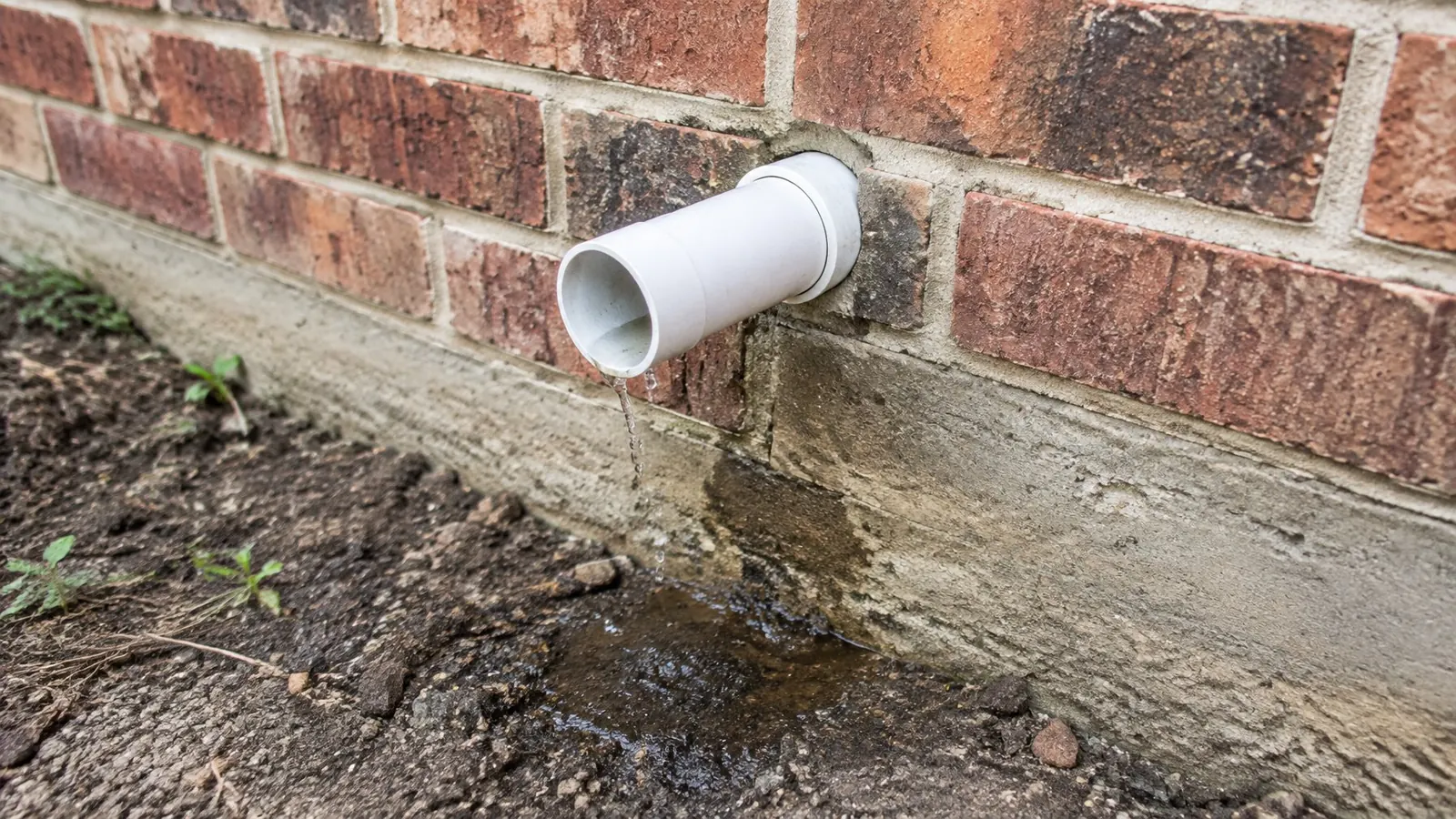
The evaporator coil pulls moisture from the air in the house. That water drips into a pan and leaves through a drain line, usually plastic pipe that runs to the outside of the house or to a drain.
If the line clogs, the pan fills. If the pan overflows or rusts through, water lands on the insulation and the ceiling below. The EPA advises homeowners to keep AC drip pans clean and drain lines flowing.
- Clogged condensate line: algae or debris blocks the pipe.
- Full or cracked pan under the air handler.
- Dirty filter or low airflow that makes the coil freeze, then drip heavily as it thaws.
- Sweating ducts or an uninsulated section of line in a hot attic.
- A disconnected or sagging drain line.
Signs to look for
Some signs show up inside, some outside.
- A stain on a hallway or closet ceiling near the return or the air handler.
- Water dripping from a vent in a ceiling.
- A musty smell when the system runs.
- A safety switch that turns the unit off, which some systems have to stop a flood.
- A drip at the outside end of the drain line. A line that never drips in hot weather may be blocked.
- Standing water in a closet or garage where the air handler sits.
What to do while you wait
Turn the thermostat to off so the system stops making more water. Switch off the breaker for the unit if you cannot reach the thermostat safely.
Do not climb into the attic when it is hot. Attics in Central Texas can be dangerous in summer. If the air handler is in a closet or garage, look there for the pan and the line instead.
- Place a bucket under a drip and photograph the stain.
- Check the filter and replace it if it is dirty.
- Move belongings away from the ceiling below.
- Keep wet insulation if you can reach it safely, so the adjuster can see it.
- Do not run the system again until a technician has found the cause, or the leak will repeat.
Who fixes what
An air conditioning technician clears the drain line and checks the pan, the coil and the safety switch. That work is outside this line, which connects water damage calls and not air conditioning repair.
A restoration contractor deals with the water in the ceiling, the insulation and the walls. If the ceiling is wet or sagging, the contractor may open it, remove wet insulation and dry the space. Call both, and tell each what the other found.
How insurance tends to read it
The Texas Department of Insurance separates sudden and accidental water damage from continuous leaks and seepage. A drain line that stopped last week and overflowed is a sudden event. A drip that has run for a season is a slow one.
Policies differ on whether the damage from an overflowing drain pan is covered, so read yours or ask the insurer. The date you first saw the stain matters, as does a record that the system was maintained.
After the repair
Ask the technician what caused the clog and whether a secondary pan or a float switch could be added where the layout allows it.
Check the ceiling after the first few days of cooling. A new stain after the repair means more water is getting through. Replace the filter on the schedule the maker recommends.
Water is still moving. Call now.
One call connects you with an independent restoration contractor who serves the Kyle area. Then you decide what happens next.